


Natural Ways to Balance Hormones for Female Libido
Share
Updated April 2026
Female libido is tightly linked to hormonal balance -- estrogen, testosterone, and cortisol all play a role. The most effective natural approaches work by reducing cortisol (which suppresses sex hormones), supporting LH and androgen receptor signaling, and addressing the fatigue and stress that kill desire before hormones even come into play. Tribulus Terrestris and Ashwagandha have the strongest evidence for this hormonal support pathway in women.
Female libido is a complex symphony, often orchestrated by a delicate balance of hormones. When these hormones go out of range, desire can wane, leaving many women feeling frustrated and disconnected from their sexual selves. While serious hormonal imbalances require medical attention, many natural approaches can help harmonize the system and support desire. For targeted supplement options, see our libido supplements guide.
The hormonal drivers of female libido
Several hormones play crucial roles in female sexual desire, arousal, and pleasure:
- Estrogen: Essential for vaginal lubrication, tissue elasticity, and overall sexual comfort.
- Testosterone: Women produce testosterone in small amounts, and it significantly impacts libido, energy, and sexual thoughts.
- Cortisol: The stress hormone. When chronically elevated, cortisol directly suppresses both estrogen and testosterone production -- which is why stress is one of the most reliable libido killers.
- Dopamine and Serotonin: Neurotransmitters that influence mood, pleasure, and motivation. Dopamine in particular is central to desire initiation.
When these hormones are out of sync due to stress, diet, age, or lifestyle, libido can suffer. The good news: several natural approaches have real evidence for addressing these pathways.
Natural strategies for hormonal harmony
- Prioritize stress management. Chronic stress elevates cortisol, which directly suppresses sex hormones. Meditation, yoga, deep breathing, and time in nature all reduce the cortisol spike that kills desire before it starts.
- Nourish your body with a balanced diet. Healthy fats (avocados, nuts, olive oil) provide building blocks for hormone production. Lean proteins support neurotransmitter synthesis. Fiber-rich foods help regulate estrogen levels. Limit processed foods and sugar, which cause inflammation and insulin spikes that disrupt hormone balance.
- Exercise moderately. Moderate exercise boosts circulation, reduces stress, and improves mood. Over-exercising can deplete energy and negatively impact hormones. Find a balance that feels energizing, not exhausting.
- Prioritize quality sleep. Poor sleep disrupts cortisol rhythm and suppresses sex hormone production. Aim for 7 to 9 hours per night with a consistent schedule.
- Add targeted botanical support. Specific herbs have evidence for supporting the hormonal signaling pathways that drive desire -- particularly Tribulus Terrestris (LH signaling) and Ashwagandha (cortisol reduction).
Natural hormonal support approaches compared
| Approach | Primary mechanism | Evidence quality | Timeline | NUUD product |
|---|---|---|---|---|
| Tribulus Terrestris | LH signaling, androgen receptor support | Strong -- RCTs in women with HSDD | 4 to 8 weeks daily | All non-hemp gummies + capsules |
| Ashwagandha | Cortisol reduction, HPA axis adaptation | Moderate -- RCTs for cortisol + sexual function | 4 to 8 weeks daily | Not in current NUUD formula |
| Muira Puama | Nervous system toning, stress reduction | Moderate -- human pilot trials | 2 to 4 weeks daily | All non-hemp gummies + capsules |
| Lifestyle (sleep, exercise, nutrition) | Cortisol regulation, energy, mood | Strong -- well-established | 1 to 4 weeks | N/A |
Key botanical ingredients with evidence for female hormonal libido support
Tribulus Terrestris -- mild hormonal support
Tribulus supports libido through androgen receptor sensitivity and LH signaling. A 2017 randomized trial found Tribulus significantly improved sexual desire and satisfaction in premenopausal women with hypoactive sexual desire disorder. (Kamenov et al., 2017) It works upstream on hormonal signaling without directly raising testosterone.
Ashwagandha -- cortisol reduction
Ashwagandha (Withania somnifera) is the most studied adaptogen for cortisol reduction. A 2015 randomized trial found ashwagandha significantly improved sexual function, including desire, arousal, and orgasm, in healthy women. (Dongre et al., 2015) The proposed mechanism: by reducing chronic cortisol, the body's own sex hormone production is no longer suppressed. See also our companion guide on stress and sex drive.
5 steps to natural hormonal balance for libido
- Identify your primary driver. Is your low desire driven by stress and fatigue (cortisol problem -- Ashwagandha is the priority) or by hormonal transitions like perimenopause (LH signaling -- Tribulus is the priority)? The answer shapes which botanical to lead with.
- Fix sleep first. Nothing suppresses sex hormone production more reliably than chronic sleep deprivation. Before adding any supplement, stabilize your sleep schedule. Botanicals work better on a rested system.
- Add a daily botanical stack. Tribulus + Muira Puama (as in NUUD's non-hemp formula) addresses both the hormonal signaling and the nervous system dimension of desire simultaneously. Take daily for 6 to 8 weeks minimum.
- Reduce processed sugar and alcohol. Both spike insulin and suppress sex hormone production. Dietary changes often produce measurable libido improvements within 2 to 4 weeks -- faster than most supplements.
- Get baseline hormone levels tested if things don't improve. Natural approaches work for the functional range of hormonal imbalance. If desire is severely suppressed and not responding to lifestyle + botanical support after 8 to 12 weeks, a hormone panel (estrogen, testosterone, cortisol, thyroid) is the right next step. See our guide to low libido in women for the full picture.
NUUD products for female hormonal libido support
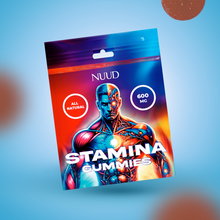
NUUD's non-hemp formula delivers Tribulus Terrestris and Muira Puama alongside Boiled Rehmannia Root (adrenal support), Piper Nigrum (bioavailability), and NUUD Mushroom Complex (energy + mood). Explore the full range at NUUD Libido Gummies for Women.
Frequently asked questions
Can natural herbs really balance female hormones for libido?
Herbs like Tribulus and Ashwagandha work on the functional range of hormonal imbalance -- supporting LH signaling and reducing cortisol respectively. They are not replacements for HRT where that is clinically indicated, but they address the most common hormonal drivers of low desire in otherwise healthy women.
Does stress really affect female libido that much?
Yes. Cortisol directly suppresses the production of estrogen and testosterone. Chronic stress is one of the most common reasons women in their 30s and 40s experience unexpected libido drops even without a medical diagnosis. Stress reduction is the highest-leverage intervention for this population.
How long do natural hormonal support supplements take to work for libido?
Tribulus: 4 to 8 weeks. Ashwagandha for cortisol: 4 to 8 weeks. Muira Puama for nervous system tone: 2 to 4 weeks. These are cumulative, slow-build effects -- not acute stimulants.
Should I test my hormones before taking a libido supplement?
Testing is not required before starting a botanical supplement at normal doses, but it is useful if low libido is severe, persistent, or accompanied by other symptoms (fatigue, irregular cycles, mood changes). A panel that includes estrogen, testosterone, cortisol, and thyroid gives you a clear picture of whether there is a deficiency that needs medical attention first.
What is the best natural option for hormonal libido in perimenopause?
Tribulus Terrestris is the best-supported botanical for perimenopausal women because it supports LH signaling at a time when the hypothalamic-pituitary axis is shifting. For the full picture, read our dedicated guide to low libido in women.
References
- Kamenov Z, Fileva S, Kalinov K, Jannini EA. Evaluation of the efficacy and safety of Tribulus terrestris. Acta Obstet Gynecol Scand. 2017. Kamenov et al., 2017
- Dongre S, Langade D, Bhattacharyya S. Efficacy and Safety of Ashwagandha (Withania somnifera) Root Extract in Improving Sexual Function in Women. Biomed Res Int. 2015. Dongre et al., 2015
- Whirledge S, Cidlowski JA. Glucocorticoids, stress, and fertility. Minerva Endocrinol. 2010. Whirledge et al., 2010
