

Zinc, Vitamin D, and Libido: Do Micronutrients Actually Improve Your Sex Drive?
Share
TL;DR
Zinc and vitamin D do affect libido — but only when you're deficient. Correcting a deficiency can restore baseline testosterone and improve sexual function. If you're not deficient (most supplement-taking adults aren't), adding more zinc or vitamin D won't significantly boost desire. For people who aren't deficient, botanical supplements targeting the hormonal signaling pathways (Tribulus Terrestris, Muira Puama) address libido more directly. Micronutrients set the floor; botanicals raise the ceiling.
Zinc and vitamin D consistently appear in libido supplement conversations — and the connection is real. Both micronutrients have documented roles in testosterone production and sexual function. The nuance most listicles skip is the threshold question: deficiency correction works meaningfully; supplementing above sufficiency does not. Understanding where you fall on that curve determines whether micronutrients are the solution you need.
How Zinc and Vitamin D Affect Libido
Zinc
Zinc is a cofactor in testosterone synthesis. A classic study by Prasad et al. found that zinc restriction in healthy men induced significant hypogonadism, and zinc supplementation in zinc-deficient elderly men nearly doubled serum testosterone (PMID 11773566). The mechanism: zinc inhibits aromatase (the enzyme that converts testosterone to estrogen) and supports LH (luteinizing hormone) release, which signals Leydig cells to produce testosterone.
The catch: this effect is robust in deficient populations. In men with normal zinc levels, supplementation shows minimal impact on testosterone. Deficiency risk is concentrated in vegetarians, heavy drinkers, people with GI absorption issues, and endurance athletes who lose zinc through sweat.
Vitamin D
Vitamin D functions more like a steroid hormone than a traditional vitamin — it has receptors on Leydig cells in the testes, which produce testosterone. A 2011 study found a significant correlation between serum vitamin D and testosterone levels in men (PMID 21154195). Vitamin D deficiency (below 20 ng/mL) is associated with lower testosterone and poorer sexual function scores.
Again: the effect is strongest in the deficient-to-sufficient correction range. Pushing from sufficient (50 ng/mL) to high (80+ ng/mL) with supplementation shows minimal additional testosterone benefit.
Micronutrient vs Botanical: What Works When
| Intervention | Works best when | Mechanism | Evidence quality |
|---|---|---|---|
| Zinc | Deficient (low meat intake, GI issues, heavy sweat loss) | Aromatase inhibition + LH support | Strong for deficiency; weak for sufficiency |
| Vitamin D | Deficient (limited sun exposure, northern latitudes, dark skin) | Leydig cell testosterone production | Strong for deficiency; modest above threshold |
| Tribulus Terrestris | Any libido baseline — not deficiency-dependent | LH signaling + SHBG reduction | Multiple RCTs (PMID 40219032) |
| Muira Puama | Any libido baseline — works via neural pathways | Nerve-ending sensitivity + desire amplification | Clinical (PMID 11186145) |
| Maca root | HPA axis dysregulation; mixed evidence | HPA modulation | Moderate, inconsistent results |
5 Things to Know Before Taking Zinc or Vitamin D for Libido
- Get your levels tested first. A standard blood panel (zinc serum + 25-OH vitamin D) tells you whether you're deficient, sufficient, or already high. If you're already in the sufficient range (zinc: 70–120 mcg/dL; vitamin D: 40–80 ng/mL), additional supplementation is unlikely to move your libido meaningfully.
- Zinc is easy to get from food if you eat meat. Oysters are the richest source. Beef, lamb, and pumpkin seeds are meaningful contributors. If your diet includes regular animal protein, you're likely sufficient. Deficiency risk is concentrated in vegans, vegetarians, and people with GI malabsorption.
- Vitamin D deficiency is surprisingly common — especially in winter. Approximately 40% of US adults are deficient or insufficient, with higher rates in northern states and among people with darker skin. 15–20 minutes of midday sun on arms and legs three times per week can substantially address mild deficiency without supplementation.
- Toxicity risk is real. Zinc toxicity occurs at chronic doses above 40mg/day — causing nausea, copper deficiency, and immune suppression. Vitamin D toxicity (hypercalcemia) occurs at very high doses long-term. Don't take either at high doses without knowing your baseline level.
- If micronutrients are sufficient but libido is still low, the bottleneck is elsewhere. Botanicals like Tribulus Terrestris and Muira Puama address LH signaling, SHBG binding, and nerve-ending sensitivity — mechanisms that operate independent of micronutrient status. This is where botanical supplements start addressing problems that zinc and vitamin D can't reach.
NUUD's Approach: What's in the Formula (And What Isn't)
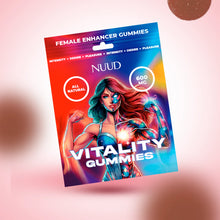
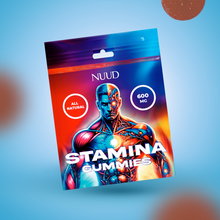
NUUD libido supplements do not contain zinc or vitamin D — intentionally. The formula is built around botanical actives with direct evidence for desire and arousal pathway support: Tribulus Terrestris + Muira Puama + Boiled Rehmannia Root + Piper Nigrum + NUUD Mushroom Complex. These work regardless of your micronutrient status.
Our recommendation: if you haven't had bloodwork recently, get zinc and vitamin D levels checked. Correct any deficiencies first. Then add NUUD for the hormonal signaling and neural pathways that botanicals address. The two approaches stack, they don't compete.
Frequently Asked Questions
Does zinc actually increase sex drive?
In zinc-deficient people, yes — restoring normal zinc levels can significantly improve testosterone and sexual function. In people who are already zinc-sufficient, additional zinc is unlikely to meaningfully boost sex drive. The effect is deficiency-correction, not enhancement.
What are the zinc benefits sexually?
Zinc supports testosterone production by inhibiting aromatase and supporting LH release. It also plays a role in sperm production and motility. These benefits are most pronounced when correcting a deficiency — not from supplementing above sufficiency.
Does vitamin D3 improve libido?
Vitamin D deficiency correlates with lower testosterone and reduced sexual function. Correcting deficiency improves both in many cases. Pushing above sufficient levels offers diminishing returns for libido specifically.
How much zinc should I take for libido?
If deficient: 25–45mg elemental zinc daily for 4–8 weeks to restore levels, then drop to a maintenance dose of 8–11mg (the RDA). If sufficient: no additional zinc needed for libido purposes. Always take zinc with food to reduce nausea.
Can I take zinc and vitamin D with a libido supplement?
Yes — they operate on different pathways. Zinc and vitamin D support baseline testosterone availability; botanical libido supplements support LH signaling, SHBG binding, and neural desire pathways. They complement rather than compete. No known interaction concerns at standard doses.
*These statements have not been evaluated by the Food and Drug Administration. This product is not intended to diagnose, treat, cure, or prevent any disease.
