


Does Testosterone Actually Fix Low Libido? What TRT Can and Can't Do
Share
Testosterone therapy reliably raises libido only when your testosterone is genuinely low; if your levels are already normal, TRT usually will not fix desire on its own. That is the honest short answer, and it is the one a lot of men never hear before they start. Low libido in men is rarely a single-dial problem. Testosterone is one input. Sleep, stress, mood, dopamine, and what is happening in your relationship are the others, and no injection touches those. This is a level explainer for the guy who says "I just want to feel normal again" and is trying to figure out whether hormones are the answer, part of the answer, or a dead end.
- TRT reliably improves sex drive when your testosterone is truly low. In men with normal levels, the benefit is small to none.
- Plenty of men get their numbers into range and "still feel like crap." That usually means desire was never only about testosterone.
- Libido is multi-factorial: sleep debt, chronic stress and cortisol, mood, dopamine, medications, and relationship strain all pull on it.
- The non-hormonal levers are unglamorous but real: sleep, stress load, movement, alcohol, and treating depression or anxiety.
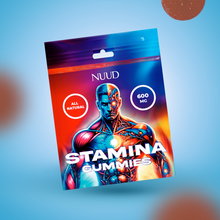
- An over-the-counter supplement like NUUD sits adjacent to this picture. It is not a testosterone replacement and not a treatment. It does not raise testosterone, and it does not replace a doctor.
When TRT reliably helps libido
The clearest win for testosterone therapy is the man whose testosterone is genuinely and measurably low and who has symptoms that go with it: low desire, low energy, low mood. In that group, replacing testosterone tends to bring desire back up. In the Testosterone Trials, a set of placebo-controlled trials in older men with low testosterone, treatment produced modest but real improvements in sexual activity, desire, and function (Snyder et al., 2016; Cunningham et al., 2016). Men who were flat started wanting sex more than the men on placebo did.
Two words matter in that sentence: "modest" and "low." The effect was consistent, but it was not a light switch. And it showed up in men who started below the normal range. If you are chasing the feeling of being 22 again, TRT done properly can help you feel like yourself again. It will not turn you into someone else.
So the honest version of "does testosterone help libido" is: yes, when the tank is actually low. A blood test showing genuinely low total and free testosterone, taken in the morning and confirmed on a second draw, plus symptoms that fit, is the setup where TRT earns its reputation.
When TRT will not fix desire
Here is the part that gets skipped. If your testosterone is already in the normal range, adding more rarely does much for libido. A large meta-analysis of testosterone supplementation and sexual function found the benefit was concentrated in men with low testosterone at baseline, with minimal effect in men whose levels were already normal (Corona et al., 2014). This is exactly why a good doctor will sometimes say some version of "it won't help at your levels." That is not gatekeeping for its own sake. Above a certain threshold, desire stops tracking your testosterone number and starts tracking everything else in your life.
That threshold idea is worth sitting with. Below it, topping up testosterone can restore desire. Above it, your libido is being set by sleep, stress, mood, and your relationship, and no dose gets you past that ceiling. More testosterone on top of enough testosterone mostly buys side effects. It does not add sex drive.
| TRT tends to help libido when... | TRT usually will not fix libido when... |
|---|---|
| Blood testosterone is genuinely low, confirmed on two morning tests | Testosterone is already in the normal range |
| Low desire comes with low energy and low mood that fit low testosterone | The main driver is stress, exhaustion, or relationship conflict |
| Symptoms started as levels fell over time | Depression, anxiety, or a medication side effect is untreated |
| You have addressed sleep, alcohol, and obvious lifestyle load | Sleep debt, heavy drinking, or burnout are still running the show |
Libido and erections are not the same problem
A lot of men use "low libido" and "erectile dysfunction" interchangeably, and they are two different things. Libido is desire, the wanting. An erection is the physical, largely vascular mechanics of blood flow. You can have strong desire and still struggle to get or keep an erection, and you can have reliable erections with no desire at all. Testosterone feeds into both, but by different routes.
When testosterone is genuinely low, raising it can improve desire and, in some low-testosterone men, erectile function as well. But erectile dysfunction is frequently a vascular or circulatory issue rather than a hormonal one. That is why many men with normal testosterone and real ED get little from TRT and need a different workup. If your main problem is getting or keeping an erection rather than wanting sex, that is a specific medical question worth taking to a doctor. This article is about the desire side, the "I just do not want it the way I used to" problem.
Why you can be on TRT and still feel flat
One of the most common and demoralizing stories on men's health forums goes like this: numbers came back low, started TRT, levels look great on paper, and the guy "still feels like crap." Desire did not come roaring back. He feels flat. He assumes the dose is wrong or the brand is bad, and he starts tinkering.
Sometimes the protocol does need adjusting. But often the real answer is that testosterone was never the whole problem. Male desire runs on more than one hormone. A few of the big non-testosterone inputs:
- Sleep. Short or broken sleep suppresses both testosterone and desire directly, and it wrecks the energy you need to want anything. You can normalize a lab value and still be running on five hours. We go deeper on this in our piece on sleep, libido, and testosterone.
- Stress and cortisol. Chronic stress keeps cortisol elevated, and a body braced for threat is not a body cued for sex. This is why libido often craters during a brutal work stretch even in men with normal hormones. More on that in stress, cortisol, and sex drive.
- Dopamine and reward. Wanting runs on dopamine as much as on testosterone. Burnout, heavy screen habits, and anhedonia can blunt the drive to pursue anything, sex included.
- Mood. Depression and anxiety flatten desire, and some of the medications that treat them lower it further. If mood is the root, a hormone will not reach it.
- The relationship. Resentment, distance, or years of tension quietly cap desire. No injection fixes a dynamic. Sometimes the honest work is a conversation. A dose will not get you there.
If you are on TRT with good numbers and still flat, that flatness is information. It is pointing at one of the levers above. It does not mean you are broken. One more place to look is the medicine cabinet. If you take finasteride for hair loss, finasteride and sex drive covers what the trials found.
The non-hormonal levers, in plain order
Whether or not you are on testosterone therapy, these are the moves that actually change the inputs. None of them are exciting. All of them matter more than most men want to admit.
- Fix sleep first. Aim for a genuine seven to nine hours on a consistent schedule. This is the single highest-yield change for both testosterone and desire, and it is free.
- Lower the stress load. You cannot always cut the stressor, but you can add recovery: daylight, real breaks, breathing down after work, and protecting one thing that is only for you.
- Move your body, but do not overtrain. Resistance training and regular activity support hormones and mood. Grinding yourself into the ground with no recovery does the opposite.
- Audit alcohol. Regular heavy drinking suppresses testosterone and dulls desire and performance. A few weeks lighter is a fair experiment.
- Treat mood, honestly. If depression or anxiety is in the picture, address it directly. If a medication flattened your libido, tell your prescriber. There are often options.
- Deal with the relationship, if that is where it lives. Desire needs some safety and some spark. Chronic conflict caps it, and no supplement or hormone overrides that.
Most men who "still feel like crap" on TRT have two or three of these running unaddressed. Fixing them is slower than an injection and far more likely to be the thing that actually moves the needle.
Where a supplement like NUUD fits, honestly
Straight answer: NUUD is not testosterone, does not raise testosterone, and is not a treatment for low testosterone. It is an over-the-counter supplement with no prescription, and it sits adjacent to the picture above. It does not replace any part of it. If your testosterone is genuinely low, the honest move is to see a doctor and get tested. A gummy is not a substitute for that.
Where something like NUUD can be a small daily lever is on the desire and drive side, for men whose levels are fine and who want a low-friction step alongside the sleep, stress, and lifestyle work. The men's formula centers on the NUUD Mushroom Complex, a proprietary botanical anchor, alongside Muira Puama, Boiled Rehmannia Root, Tribulus Terrestris, and Piper Nigrum for absorption. It comes as a men's libido gummy that works in roughly 30 to 60 minutes, and a men's libido support capsule for daily use.
Tribulus Terrestris is the one ingredient in that list often described as testosterone-adjacent, and it comes up constantly in testosterone folklore, so it deserves the same honesty we are asking of TRT. A candid review of Tribulus concluded its pro-sexual and androgen-enhancing reputation is more claimed than proven, and that it does not reliably raise testosterone (Neychev and Mitev, 2016). A later randomized trial did report improvements in some sexual function scores in men taking Tribulus (Kamenov et al., 2017), so the desire-side evidence is mixed and limited rather than settled. Tribulus may support desire for some men. It is not a testosterone booster, and we are not going to pretend it is.
You will notice we are not naming maca, ashwagandha, tongkat, or the herb people abbreviate to goat weed. Those come up in every testosterone thread, and some men try them, but they are not in the NUUD formula, so we will not imply they are.
The useful mindset: if you are genuinely low, get real care. If you are in range and still want more spark, work the non-hormonal levers, and a supplement can be the small, no-prescription daily step next to them. This is not medical advice, and nothing here is a cure or a guarantee.
Frequently asked questions
Does testosterone therapy increase sex drive?
Yes, but mainly when your testosterone is genuinely low. In placebo-controlled trials of men with low levels, TRT produced modest improvements in desire and sexual activity. In men whose testosterone is already normal, adding more does little for libido, because above a certain point desire is driven by sleep, stress, mood, and your relationship. Your testosterone number stops being the lever.
Does TRT help erectile dysfunction (ED)?
Sometimes, when low testosterone is the cause. In men with genuinely low testosterone, therapy can improve both desire and erectile function. But erectile dysfunction is often a vascular or circulatory problem rather than a hormonal one, so men with normal testosterone and ED frequently see little benefit from TRT and need a different evaluation. Libido and erections run on separate systems, and ED specifically is worth a direct conversation with a doctor.
Why do I still feel like crap on TRT with good numbers?
Because testosterone was probably not your only problem. Normalizing a lab value does not touch sleep debt, chronic stress, depression, a medication side effect, or relationship strain, and any of those can flatten desire on their own. If your numbers are in range and you still feel flat, that flatness is a signal to look at the non-hormonal levers. It is not proof that something is permanently wrong with you.
My doctor said TRT "won't help at your levels." Is that right?
Usually, yes. If your testosterone is already in the normal range, the evidence shows little libido benefit from adding more, and you take on the risks of therapy for little upside. It can feel dismissive when you just want to feel normal again, but it points you toward the real drivers: sleep, stress, mood, alcohol, and your relationship. A second opinion is reasonable if your symptoms are strong and your testing was incomplete.
Can low libido be fixed without testosterone?
Often, yes, when testosterone is not the cause. Prioritizing sleep, lowering chronic stress, moderating alcohol, treating depression or anxiety, and repairing relationship strain all move desire without any hormone. These levers are slower than an injection but they address the inputs that actually set libido in men whose testosterone is normal.
Does NUUD raise testosterone or replace TRT?
No. NUUD does not raise testosterone and is not a replacement for testosterone therapy or a treatment for low testosterone. It is an over-the-counter supplement, no prescription, built around the NUUD Mushroom Complex with botanicals including Tribulus Terrestris. If your testosterone is genuinely low, see a doctor and get tested. NUUD is a small daily step on the desire side, adjacent to that care. It is not a substitute for it.
References
- Snyder PJ, Bhasin S, Cunningham GR, et al. Effects of Testosterone Treatment in Older Men. New England Journal of Medicine. 2016. https://pubmed.ncbi.nlm.nih.gov/26886521/
- Cunningham GR, Stephens-Shields AJ, Rosen RC, et al. Testosterone Treatment and Sexual Function in Older Men With Low Testosterone Levels. Journal of Clinical Endocrinology and Metabolism. 2016. https://pubmed.ncbi.nlm.nih.gov/27355400/
- Corona G, Isidori AM, Buvat J, et al. Testosterone supplementation and sexual function: a meta-analysis study. Journal of Sexual Medicine. 2014. https://pubmed.ncbi.nlm.nih.gov/24697970/
- Neychev V, Mitev V. Pro-sexual and androgen enhancing effects of Tribulus terrestris L.: Fact or Fiction. Journal of Ethnopharmacology. 2016. https://pubmed.ncbi.nlm.nih.gov/26727646/
- Kamenov Z, Fileva S, Kalinov K, Jannini EA. Evaluation of the efficacy and safety of Tribulus terrestris in male sexual dysfunction: a prospective, randomized, double-blind, placebo-controlled clinical trial. Maturitas. 2017. https://pubmed.ncbi.nlm.nih.gov/28364864/
This article is for general education and is not medical advice. NUUD is an over-the-counter supplement, not a treatment for any condition, and does not raise testosterone. Talk with a licensed clinician about testosterone testing, TRT, and any symptoms.
