


Low Libido in Women: Causes, Solutions, and What Actually Works
Share
By the NUUD team
If you're reading this, something changed. Maybe gradually, maybe overnight. One day you noticed you hadn't thought about sex in weeks, and the week after that you noticed again, and now you're on the internet at some hour you shouldn't be, typing the words low libido female into a search bar and hoping the answer isn't just another wellness article telling you to light a candle.
The short answer
- Low libido in women is extremely common — SSRIs alone cause sexual side effects in 40–70% of users, and testosterone drops roughly 50% between a woman's 20s and 40s.
- The top root causes stack together: hormonal shifts (perimenopause, postpartum, birth control), medications (SSRIs especially), and chronic stress + sleep debt.
- See a clinician if the change was sudden, came with other symptoms (pain, irregular periods, hair loss), or you're in perimenopause and want to discuss hormone replacement. Otherwise, lifestyle and supplements are a reasonable first move.
- The natural ingredients with real human-trial evidence in women are KSM-66 ashwagandha (Dongre 2015), maca root (Dording 2008, including in women on SSRIs), and tribulus terrestris (Kamenov 2017).
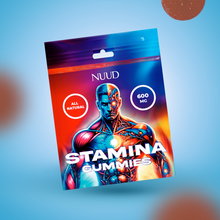
- NUUD Libido Gummies for Women are a low-pressure starting point if hormones and clinician have been ruled out — they combine ashwagandha, maca, and a mushroom complex in a single on-demand dose.
You're not alone. You're not broken. And the reason most of what you've read so far hasn't helped is that most of it is written for a person who doesn't actually exist — a cheerful reader who needs a five-step checklist, not a real woman who used to want her partner and doesn't now, and is lonely about it in a way she can't quite say out loud.
This guide is the one we wanted to write: honest about why it happens, honest about what helps, honest about what doesn't, and honest about where our own products fit into the picture. We make libido supplements for women at NUUD. We'll be clear when we're pointing at one.
What "low libido" in women actually means
"Libido" is just a clinical word for desire — the wanting-to-want-sex part. It's distinct from arousal (the body responding physically) and from orgasm (the release). A woman can have healthy arousal and still have low desire. She can even have a satisfying sexual response with her partner and still not be the one initiating, not be the one daydreaming, not be the one reaching for him in the morning.
When women describe what they've lost, they rarely use the word libido. They say:
- "I don't think about sex anymore."
- "I love him, but I don't want him the way I used to."
- "The spark is gone."
- "I could go months without it and not notice."
- "I want to want it. I don't."
That last one is the one we hear most often. The wanting-to-want-it. It's the part that tells you the connection matters to you, even if the drive isn't showing up on its own. That's the thing we're talking about when we talk about bringing desire back.
Why it happens
There's almost never one reason. Women's desire is built from a layered system of hormones, neurotransmitters, sleep, stress, relationship context, medication, and life stage — and when any one of those goes sideways, the whole system reorganizes around the new normal. Here are the causes that come up most often.
Hormonal shifts
Estrogen, progesterone, and testosterone all move around through a woman's life — cycle to cycle, pregnancy, postpartum, perimenopause, menopause. Testosterone in particular is tied closely to desire, and levels drop roughly 50% between a woman's 20s and her 40s. That drop is normal. That doesn't mean it's painless.
Perimenopause (the 5–10 years before menopause itself) is when most women notice the biggest desire change, and it often arrives alongside sleep disruption, mood changes, and vaginal dryness — any of which can independently dampen wanting-to-want. Menopause is covered in more detail in our guide to getting your sex drive back after menopause.
Antidepressants and other medications
SSRIs — the class of antidepressant that includes Prozac, Zoloft, Lexapro, Celexa, and Paxil — are one of the most common causes of low libido in women of every age. A systematic review in the Journal of Clinical Psychiatry found that SSRIs cause sexual side effects in 40–70% of users depending on the specific drug (Clayton et al., 2014). The medication saved your life or your mood or your capacity to get out of bed. It also took your libido. Both things are true.
Hormonal birth control is another quiet culprit. Combined oral contraceptives lower free testosterone by binding it to sex-hormone-binding globulin, and the effect persists for some women even after they stop the pill. Beta-blockers, certain sleep aids, and some anti-anxiety medications also sit on this list.
If you're on any of these and you've noticed a change, it's worth naming the medication in your next healthcare conversation. You are not imagining it, and there are often alternatives.
Sleep debt
Sleep is the most underrated sex hormone in the female body. A 2015 study in the Journal of Sexual Medicine found that each additional hour of sleep was associated with a 14% increase in the probability of sexual activity the next day among partnered women (Kalmbach et al., PMID: 25772315). Chronic short sleep suppresses testosterone, spikes cortisol, and blunts mood. There is no supplement that replaces sleep. If you're running on six hours and feeling nothing, start there before anything else.
Chronic stress
The body produces sex hormones and stress hormones from overlapping precursors. When cortisol is chronically elevated — because of work, caregiving, an anxious nervous system, anything — the body prioritizes stress chemistry over sex chemistry. This is not a character flaw. It's a feature of how the system is built. The fix isn't trying harder to relax. The fix is lowering the baseline, which usually takes weeks and usually involves more than just breathing exercises.
Postpartum
Desire takes a real hit after childbirth, often for a year or more, and the hit is biological (estrogen drops sharply, especially while breastfeeding), neurological (sleep deprivation is profound), and identity-based (the body has done something enormous, and reclaiming it as sexual rather than utilitarian takes time). The fact that your libido hasn't bounced back on the schedule a well-meaning friend expected is not evidence that anything is wrong with you.
Relationship drift
None of the biology lives in a vacuum. When couples stop having regular sex, the not-having of it becomes its own force — a low-level tension, an awkwardness at bedtime, a hesitation that wasn't there before. This is the hardest one to solve with a supplement, but it's also the one that most responds to bringing the body back online. When desire returns on the physical side, a lot of couples find the emotional side follows.
What usually gets recommended — and why it often falls short
When women bring this up with their doctor, the conversation usually lands in one of four places: therapy, couples counseling, hormone replacement, or the one most women walk out feeling: "there's nothing really to do about it."
None of those recommendations is wrong. Therapy is genuinely useful. Hormone replacement helps in the right context. But they share a failure mode: they all operate on timescales of months, and they all require a conversation most women don't want to have and aren't sure will go anywhere. Meanwhile, the not-wanting continues.
The "just relax" school of advice — light a candle, plan a date night, try something new, communicate — is the one we hear women on Reddit describe as the most alienating. Not because those things are bad, but because they presume the wanting is there to be coaxed out. When the wanting itself is what's missing, the coaxing lands as pressure.
We built NUUD around the premise that most women in this situation want something they can try tonight — not something they have to schedule, wait six weeks for, or explain to a stranger in an office.
What actually helps
The honest answer is: several things, in combination, applied consistently. None of them is magic. Most of them work, most of the time, for most women — if the baseline conditions are met.
Get more sleep (this is the first one for a reason)
If you're averaging under seven hours, no supplement will work well. Fix sleep first. That usually means giving up something small, not something dramatic — a phone out of the bedroom, a firmer bedtime on weeknights, magnesium glycinate at night if you don't already take it. This is the lever with the highest return and the lowest cost.
Lower the cortisol baseline
Exercise is the best-studied cortisol regulator — specifically, a mix of moderate cardio and resistance training, 3–4 times a week. Resistance training also independently supports testosterone, which supports desire. You don't need to train hard. You need to train consistently.
Adaptogens are the supplement category with the most research for cortisol and stress resilience. The one with the strongest evidence for female sexual function is KSM-66 ashwagandha. A 2015 randomized, double-blind, placebo-controlled trial of 50 women found that 600 mg/day of KSM-66 ashwagandha significantly improved sexual function scores — including arousal, lubrication, and satisfaction — over 8 weeks compared to placebo (Dongre et al., BioMed Research International, PMID: 26504795).
Support dopamine and baseline drive
Desire is mediated in part by dopamine — the same neurotransmitter tied to motivation and anticipation. Two plant ingredients have real evidence for supporting this in women:
- Maca root. A 2008 double-blind, placebo-controlled trial at Massachusetts General Hospital found that 3 g/day of maca significantly improved sexual dysfunction in women taking SSRIs (Dording et al., CNS Neuroscience & Therapeutics, PMID: 18801111). A separate 2015 trial found similar improvements in postmenopausal women (Dording et al., Evidence-Based Complementary and Alternative Medicine).
- Tribulus terrestris. A 2017 randomized trial in 45 menopausal women found tribulus significantly improved desire, arousal, and satisfaction scores versus placebo (Kamenov et al., Maturitas, PMID: 28364812).
Support the arousal side as well
Arousal and desire aren't the same thing, but they reinforce each other — a body that responds more reliably tends to want sex more often. L-arginine is an amino acid that supports nitric oxide production, which supports blood flow. A 2008 study found that L-arginine combined with other supportive botanicals improved arousal in premenopausal women with low desire (Meston & Rachman, 2008).
The mushroom-complex variable
Something newer in the libido supplement conversation is the role of functional mushroom extracts — specifically cordyceps, reishi, and related species. The research base is smaller than it is for ashwagandha or maca, and most of it is preclinical, but the combination is worth noting because it's the variable most women haven't tried before. Every NUUD non-hemp formula includes a mushroom complex for exactly this reason: most of our customers have already tried maca and ashwagandha on their own and didn't feel enough. The third ingredient is often what changes the result.
Where NUUD fits
We made NUUD libido gummies for women and our libido capsules for women for exactly the person this article is for: someone who wants something plant-based, no prescription required, that works the same day — not six weeks from now. One gummy or one capsule, 30 to 60 minutes before. No daily routine. No 14-day wait. Designed for the night you're trying to have, not the routine you're trying to build.
Our formulas combine Tribulus Terrestris, Muira Puama, and the proprietary NUUD Mushroom Complex — the three ingredient categories with the most real-world response from our customers. We also ship a couples intimacy bundle for the people who want to bring something home that works for both partners at once.
If none of our products are the right fit, the sleep-stress-exercise-nutrition stack above is the right place to start — with or without NUUD in the picture.
"I felt like myself again for the first time in a long time."
— Verified NUUD customer review
When to see a doctor
See a doctor — preferably a women's health specialist or a certified menopause practitioner — if:
- The change was sudden and happened alongside other symptoms (pain during sex, irregular periods, unusual fatigue, hair loss)
- You've started a new medication and noticed a clear drop
- You're in perimenopause or menopause and want to discuss hormone replacement
- The change is interfering with your relationship and you want a second set of eyes on the full picture
A supplement is not a substitute for a medical workup when there are other symptoms at play. Our job is to help the baseline. Your doctor's job is to make sure nothing else is going on underneath.
What to try first
- Rule out medical causes — hormone panel (estrogen, testosterone, thyroid, prolactin) with a clinician.
- Audit sleep, stress, and SSRI/birth-control side effects — most common modifiable causes.
- Address relationship + emotional intimacy (responsive desire is the norm for most women).
- Adjust lifestyle — movement, alcohol moderation, less screen time at night.
- Trial an evidence-backed natural supplement (maca, ashwagandha, NUUD Libido Gummies for Women) for 4–8 weeks.
Which NUUD format fits your routine?
| Format | Onset | Duration | Best for |
|---|---|---|---|
| Gummies | 30–60 min | Up to 3 days | Weekend rituals, slow build |
| Capsules | 45–90 min | Up to 6 days | Daily support |
| Sex Bites | 15–30 min | 4–6 hours | Planned date nights |
| Intimacy drink | 15–30 min | 2–3 hours | The "drink before the drink" |
FAQ
What causes low libido in women?
The most common causes are hormonal shifts (perimenopause, postpartum, post-birth-control), SSRIs and other medications, chronic stress, sleep debt, and the relationship drift that accumulates when a couple stops having sex regularly. Most women have more than one cause stacked at once.
How can I increase my libido as a woman naturally?
Start with sleep, stress, and movement — the three baseline levers that shift within weeks. From there, ingredients with real research include KSM-66 ashwagandha, maca root, and tribulus terrestris. NUUD libido gummies and capsules for women combine these with a mushroom complex in a once-as-needed dose.
Do libido supplements actually work for women?
Some do, some don't. The ones with the strongest human research behind them are KSM-66 ashwagandha (Dongre 2015), maca (Dording 2008 and 2015), and tribulus (Kamenov 2017). Supplements that combine several well-studied ingredients at meaningful doses — rather than single-ingredient products at sub-clinical doses — tend to produce the best real-world response.
How long does it take to fix low libido?
It depends on the cause. Sleep-driven and stress-driven cases can improve within 2–4 weeks. Hormonal and postpartum cases take longer, sometimes 3–12 months. Fast-acting supplements can produce a same-day effect, but the underlying baseline still benefits from the slower work.
Is it normal to have no sex drive in your 30s or 40s?
It's common — especially in the postpartum years and through perimenopause — but common isn't the same as unchangeable. Most women who notice the shift and act on it (sleep, stress, targeted supplementation, and sometimes hormone support) see meaningful improvement.
Can I take a libido supplement if I'm on an SSRI?
Most well-formulated plant-based libido supplements are compatible with SSRIs — the Dording 2008 maca trial was specifically conducted in women on SSRIs. That said, always run any new supplement by your prescribing doctor, especially if you take multiple medications.
What's the difference between low desire and low arousal?
Desire is the wanting. Arousal is the body responding. A woman can have one without the other. Most "low libido" is really low desire — the spark is gone before the body gets a chance to join in. Supplements that support both (dopamine-side and blood-flow-side) tend to help more than single-lever products.
Disclosure: NUUD Pleasures sells libido supplements for women. This post reflects our perspective as a brand in the category.
FDA disclaimer: These statements have not been evaluated by the Food and Drug Administration. This product is not intended to diagnose, treat, cure, or prevent any disease. Consult your healthcare provider before starting any supplement, especially if you are pregnant, nursing, taking medication, or managing a medical condition.
If low desire is the pattern you recognize, NUUD's libido gummies for women are a plant-based, hormone-free option built around Tribulus Terrestris and Muira Puama, both studied directly in female desire.
For a place to start without a pill, NUUD's libido drink for women carries the same botanicals in a Watermelon Lime sachet.
As a starting point, NUUD's arousal supplements for women support desire and sensation with no added hormones.
Keep Reading
For the full evidence review of what supports female desire, see our guide to aphrodisiacs that actually work. For the adaptogen research specifically — Cordyceps, Reishi, and the full mushroom-for-libido story — read mushrooms for libido. If the issue is tied to long-term partnership and "the spark fading," the Coolidge Effect is worth understanding.
Shop NUUD for Women
- NUUD Libido Gummies for Women — a natural female libido enhancer; on-demand, lasts up to 3 days per dose
- Vitality Libido Support Capsules for Women — our most potent format, up to 6 days of duration
- Watermelon Lime Intimacy Drink — fast-absorbing powder
