

Natural Remedies for Vaginal Dryness: What Works and What Is Hype
Share
The natural remedies for vaginal dryness with real evidence behind them are vaginal moisturizers, hyaluronic acid gel, and lubricants for sex; the strongest option overall is low-dose local vaginal estrogen from a doctor, and most oral "dryness herbs" do very little for the actual moisture problem. That is the honest short version, and it is the one a lot of women over 40 never get. Dryness ramps up in perimenopause and menopause because estrogen falls and the vaginal tissue thins and holds less moisture. That is a physical, local change. It is worth separating from a second thing the internet blends into that same search: whether you want sex at all. Those are two different systems, and confusing them is how women end up buying the wrong thing.
- Dryness is a moisture and estrogen issue. Desire is a separate system. Fixes for one rarely touch the other.
- Best-evidence non-hormonal options are vaginal moisturizers used regularly, hyaluronic acid vaginal gel, and lubricants for sex.
- Local vaginal estrogen has the strongest evidence for the underlying tissue change. We do not sell it. It is a conversation to have with a doctor.
- Sea buckthorn oil has thin but real trial evidence for women who cannot use estrogen. Keep expectations modest.
- Most oral herbs and vitamins marketed "for vaginal dryness" have little direct evidence for the moisture problem itself.
- A botanical supplement like NUUD is a desire-side product. It does not address vaginal dryness, and we are not going to pretend it does.
Sort which lane you are in first. A fix for one lane rarely touches the other.
Moisture and tissue. As estrogen falls, the vaginal lining thins and holds less moisture. A local, physical change.
- Vaginal moisturizers, used regularly
- Hyaluronic acid vaginal gel
- Lubricants for sex
- Local vaginal estrogen, prescription, strongest evidence
Wanting sex at all. Runs on hormones, mood, sleep, stress, and your relationship. A separate system.
- You can be well lubricated and want nothing
- You can want sex and still be too dry for comfort
- Desire-side botanical supplements live here
- They do not treat vaginal dryness
Dryness and desire are two different problems
Here is the split that most articles skip. Vaginal dryness is about moisture and tissue. As estrogen drops through perimenopause and after menopause, the vaginal lining gets thinner, less elastic, and produces less natural lubrication. Doctors call the broader version of this the genitourinary syndrome of menopause. It shows up as everyday dryness, itching, burning, and pain during sex. It is a local, physical change, and it responds to local, physical fixes.
Desire is a different thing entirely. Wanting sex runs on hormones, mood, sleep, stress, and what is happening in your relationship. You can be perfectly lubricated and have no interest at all. You can also want sex intensely and still be too dry for it to feel good. If you would like the desire side explained on its own, we cover what happens to sex drive in perimenopause separately.
Why does this matter for shopping? Because the supplement aisle sells "libido" products and "dryness" products a foot apart, and a lot of women grab one hoping it fixes the other. A desire pill will not lubricate tissue. A vaginal moisturizer will not make you want sex. Sort which problem you actually have first, and the right remedy gets obvious.
Lane one: what actually helps vaginal dryness
This is the moisture-and-tissue lane. Several options here have genuine evidence, and grading them honestly is not complicated. The table below lays out the main natural and medical remedies, how strong the evidence is, and what each one is actually for.
| Remedy | Evidence | What it helps with |
|---|---|---|
| Vaginal moisturizer (non-hormonal, used every few days) | Moderate. Eases symptoms; in one large trial no better than a placebo gel, which itself helped | Day-to-day dryness and comfort |
| Hyaluronic acid vaginal gel | Good. Trials find it comparable to vaginal estrogen for dryness relief | Dryness, pain with sex, vaginal pH |
| Lubricant (water or silicone based) | Practical. Established for comfort during sex; limited as a long-term fix | Friction and comfort during sex only |
| Local vaginal estrogen (prescription) | Strongest. Consistent evidence for the underlying tissue change | Tissue thinning, dryness, pain, urinary symptoms |
| Sea buckthorn oil (oral) | Thin but real. One randomized trial showed modest benefit | Mild support for women avoiding estrogen |
| Most oral "dryness herbs" | Weak or absent for dryness specifically | Little for the moisture problem itself |
Moisturizers and lubricants: the everyday baseline
A vaginal moisturizer is meant to be used on a schedule, every couple of days, to keep tissue hydrated over time. A lubricant is used in the moment for sex. They do different jobs, and many women use both. The evidence here is honest and a little humbling: in a well-run randomized trial, a low-dose vaginal estradiol tablet and an over-the-counter moisturizer each improved symptoms, but neither beat a placebo vaginal gel, because the placebo gel worked too (Mitchell et al., 2018). The practical read is that regular vaginal moisture, from almost any decent product, genuinely helps a lot of women. You do not need to overthink the brand.
Hyaluronic acid: the strongest non-hormonal option
Hyaluronic acid is the one natural-leaning remedy with real depth behind it. A vaginal gel form holds water against the tissue, and it has been tested head to head against vaginal estrogen. A systematic review of hyaluronic acid for postmenopausal vaginal atrophy found it eased dryness and related symptoms, with results broadly comparable to vaginal estrogen across the studies reviewed (Dos Santos et al., 2021). A more recent comparison trial reached the same general place, reporting that hyaluronic acid and vaginal estradiol both improved vulvovaginal atrophy (Jafarzade et al., 2024). If you want a non-hormonal option with the best evidence, hyaluronic acid vaginal gel is the one to ask about.
Herbs for vaginal dryness: what the evidence actually says
Search "herbs for dryness" and you will find long lists: black cohosh, red clover, evening primrose, wild yam, dong quai, and more. Most of that content quietly slides between two different claims, that an herb helps hot flashes or mood, and that it fixes vaginal dryness. Those are not the same, and the dryness-specific evidence for oral herbs is thin. When you look for trials measuring vaginal moisture, tissue health, or dryness symptoms directly, most popular herbs for vaginal dryness simply do not have the data. They may do other things. For the moisture problem specifically, the support is weak.
The one oral botanical with a real, if modest, result is sea buckthorn oil. In a three-month randomized, double-blind, placebo-controlled study of 116 postmenopausal women, oral sea buckthorn oil improved the integrity of the vaginal lining compared with placebo, with a trend toward a better overall vaginal health score (Larmo et al., 2014). That is a genuine finding, and it is also a modest one from a single trial, so grade it that way. Sea buckthorn oil is a reasonable option for a woman who cannot or does not want to use estrogen and wants to try something oral, as long as the expectation is help rather than a fix.
Vitamins for vaginal dryness
The vitamins for vaginal dryness that come up most are vitamin E and vitamin D, usually as a vaginal suppository rather than a pill. Some small studies suggest a vaginal vitamin E or vitamin D preparation can improve dryness and comfort, sometimes approaching what low-dose vaginal estrogen does, though the trials are small and not all consistent. Taking a vitamin D capsule by mouth for dryness has much weaker support, and mostly matters if you are deficient. If you want to try a vitamin route, the vaginal-suppository forms are where the more interesting signal is, and they are worth raising with a clinician rather than guessing at doses.
Local vaginal estrogen: the strongest evidence, and why we say so
We do not sell vaginal estrogen, and we will still tell you plainly that it has the strongest evidence for this problem. Because menopausal dryness is driven by falling estrogen at the tissue itself, replacing a small amount locally, as a low-dose cream, tablet, or ring, directly reverses the underlying change. A Cochrane review of local estrogen for vaginal atrophy in postmenopausal women found it effective at relieving symptoms across the different delivery forms (Lethaby et al., 2016). Local vaginal estrogen uses very low doses that act mostly on the tissue, which is different from systemic hormone therapy, though it is still a prescription and still a personal medical decision. If moisturizers and hyaluronic acid are not enough, this is the doctor conversation to have. Being honest that the best-evidence option is a product we do not sell is the whole reason to trust the rest of this page.
A simple order to try things
If you are starting from scratch and the dryness is mild to moderate, here is a sensible sequence to try before you buy everything at once.
- Use a vaginal moisturizer regularly. Every two to three days on a regular schedule, whether or not sex is on the agenda. This is the low-cost baseline that helps most women.
- Add a good lubricant for sex. Water or silicone based, applied generously in the moment. It solves the friction problem immediately.
- Step up to hyaluronic acid vaginal gel. If a basic moisturizer is not enough, this is the non-hormonal option with the best trial evidence.
- Talk to a doctor about local vaginal estrogen. If the above fall short, this is the strongest-evidence step, at very low local doses.
- Consider sea buckthorn oil if you are avoiding estrogen. Modest, real, oral, and reasonable to try with realistic expectations.
Notice what is not on that list: a pile of oral herbs promising to end dryness, and any pill that claims to do it overnight. The moisture problem responds to moisture and to estrogen. It does not respond to marketing.
Lane two: desire is a different system, and where a supplement like NUUD fits
Everything above is the dryness lane. The desire lane is separate, and it is the one many women over 40 actually feel most: the wanting itself fading, sometimes alongside dryness and sometimes on its own. That is a hormonal, mood, energy, and life-load question, and it has its own honest playbook. We walk through it in our guide to increasing libido after menopause naturally, and separately for women who are on HRT with desire still flat.
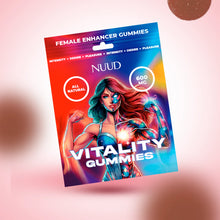
Here is the plain statement about our own product, because you deserve it. NUUD is a desire-side botanical supplement. It does not treat vaginal dryness, it is not a moisturizer, and it does nothing for the tissue change behind dryness. If dryness is your problem, everything in lane one is your answer, and NUUD is not it. Where a botanical supplement can be a small daily step is on the desire and drive side, for women who want a low-friction option alongside the rest of life. The women's formula centers on the NUUD Mushroom Complex, a proprietary botanical anchor, with Muira Puama, Boiled Rehmannia Root, Tribulus Terrestris, and Piper Nigrum for absorption. If that is the lane you are in, we build for it at our libido supplements for perimenopause page. If dryness is your lane, the answer is higher up this page.
We left NUUD out of the dryness table on purpose. It does not belong there, and adding it would be the overreach this article exists to call out.
Frequently asked questions
What is the best natural remedy for vaginal dryness?
For most women the practical baseline is a vaginal moisturizer used every couple of days, plus a lubricant for sex. If that is not enough, hyaluronic acid vaginal gel is the non-hormonal option with the best trial evidence, performing comparably to vaginal estrogen in studies. The single strongest option overall is low-dose local vaginal estrogen, which is a prescription and a conversation to have with a doctor. Most oral "dryness herbs" do little for the moisture problem itself.
Do herbs for vaginal dryness actually work?
Mostly not for dryness specifically. Popular herbs like black cohosh, red clover, and evening primrose are studied more for hot flashes and mood than for vaginal moisture, and the dryness-specific evidence is thin. The one oral botanical with a real randomized result is sea buckthorn oil, which showed modest improvement in vaginal tissue integrity in postmenopausal women. Treat it as gentle support for someone avoiding estrogen. It is not a cure.
Are there vitamins for vaginal dryness that help?
The more interesting evidence is for vaginal suppository forms of vitamin E and vitamin D, where some small studies show improved dryness and comfort. Taking oral vitamin D for dryness has weaker support and mainly matters if you are deficient. Because the trials are small and doses vary, raise the vitamin route with a clinician rather than guessing on your own.
Is vaginal estrogen safe, and do I need a prescription?
Local vaginal estrogen is a prescription in the United States. It uses very low doses that act mostly on the vaginal tissue, which is different from systemic hormone therapy, and a Cochrane review found it effective for the symptoms of vaginal atrophy. Whether it is right for you depends on your health history, so it is a decision to make with a doctor. We do not sell it, and we still consider it the best-evidence option for the underlying tissue change.
Can a libido supplement help with vaginal dryness?
No. Desire and dryness are two different systems. A libido supplement works on the wanting side and does nothing for vaginal moisture or the tissue thinning behind dryness. If your problem is dryness, use a moisturizer, a lubricant, hyaluronic acid, or talk to a doctor about vaginal estrogen. A desire product like NUUD is for the drive side and is not a dryness remedy, and we will not pretend otherwise.
References
- Mitchell CM, Reed SD, Diem S, et al. Efficacy of Vaginal Estradiol or Vaginal Moisturizer vs Placebo for Treating Postmenopausal Vulvovaginal Symptoms: A Randomized Clinical Trial. JAMA Internal Medicine. 2018. https://pubmed.ncbi.nlm.nih.gov/29554173/
- Dos Santos CCM, Uggioni MLR, Colonetti T, et al. Hyaluronic Acid in Postmenopause Vaginal Atrophy: A Systematic Review. Journal of Sexual Medicine. 2021. https://pubmed.ncbi.nlm.nih.gov/33293236/
- Jafarzade A, et al. A comparison of hyaluronic acid and estradiol treatment in vulvovaginal atrophy. European Review for Medical and Pharmacological Sciences. 2024. https://pubmed.ncbi.nlm.nih.gov/38305601/
- Larmo PS, Yang B, Hyssala J, Kallio HP, Erkkola R. Effects of sea buckthorn oil intake on vaginal atrophy in postmenopausal women: a randomized, double-blind, placebo-controlled study. Maturitas. 2014. https://pubmed.ncbi.nlm.nih.gov/25104582/
- Lethaby A, Ayeleke RO, Roberts H. Local oestrogen for vaginal atrophy in postmenopausal women. Cochrane Database of Systematic Reviews. 2016. https://pubmed.ncbi.nlm.nih.gov/27577677/
This article is for general education and is not medical advice. NUUD is an over-the-counter botanical supplement, not a treatment for vaginal dryness, menopause symptoms, or any condition. Talk with a licensed clinician about vaginal dryness, local estrogen, and any symptoms that concern you.
