
Sexual Wellness Glossary: Libido and Desire Terms, Defined

A clear, plain-English reference for the words that come up when you read about libido, desire, and sexual wellness. Forty-plus terms, defined honestly, with the science where it matters and a link to a deeper dive on each one. Where a term is an ingredient, we tell you straight whether it is in our formula and why.
Quick answers
Libido is your overall interest in sex. Desire is the wanting in a given moment, and it shows up two ways: spontaneous (out of nowhere) and responsive (built once things get going). Most women lean responsive, which is completely normal.
Use the A to Z index to jump to any term. Each entry links to a full article if you want more.
A
Adaptogen
An adaptogen is a plant compound traditionally used to help the body handle stress and stay in balance. The label comes from herbal medicine and carries no regulated definition, so the evidence varies a lot from herb to herb. Several botanicals studied for libido (Tribulus, muira puama, rehmannia) sit in this category, and stress is one of the biggest drivers of low desire. See how stress and cortisol affect sex drive.
Anorgasmia
Anorgasmia is persistent difficulty reaching orgasm, or much less intense orgasms, despite feeling aroused and having enough stimulation. It can be lifelong or new, and common contributors include certain antidepressants, stress, and rushed or limited stimulation. It is widespread and treatable. Nothing about it reflects a personal failing. More on why orgasms vary and what helps.
Aphrodisiac
An aphrodisiac is any food, drink, scent, or supplement believed to increase sexual desire or pleasure. The word is ancient, the evidence is uneven, and most famous aphrodisiacs (oysters, chocolate) work mainly through expectation and mood. A few studied botanicals show real, if modest, signals. Read the plain-English guide to aphrodisiacs.
Arousal vs. desire
Desire is wanting sex. Arousal is your body responding to it, the physical changes like increased blood flow and lubrication. They are linked but separate. You can be aroused without much desire, and you can build desire after arousal starts. Confusing the two causes a lot of needless worry. See how desire and arousal actually sequence.
Arousal concordance
Arousal concordance is how closely physical arousal matches what you feel mentally. In women the overlap is often low, so the body can show signs of arousal while the mind feels little, or the reverse. This is normal anatomy, documented across studies, and it means physical signs alone are a poor read on whether someone wants sex.
Ashwagandha (not in NUUD's formula)
Ashwagandha is an adaptogenic herb popular for stress and sleep. One independent placebo-controlled trial in women found improvement across sexual-function scores, which is a real signal, though the libido evidence still rests on a small number of studies. Some users also report emotional flatness at higher doses. We hold it to the same bar as our own ingredients and left it out. What the ashwagandha research actually shows.
C
Coolidge effect
The Coolidge effect is the renewed sexual interest that novelty triggers, well documented in animal research and a useful lens on long-term relationships. It helps explain why desire can fade with a familiar partner even when love is strong. The fix lives in fresh context, attention, and anticipation, all of it available with the partner you already have. How to counter novelty bias long term.
Cordyceps (part of NUUD's Mushroom Complex)
Cordyceps is a functional mushroom used in traditional medicine for energy and vitality. Modern human libido data is thin, mostly animal and adaptogenic-tradition evidence, which we say plainly. It features as one part of the proprietary NUUD Mushroom Complex, and we make no standalone claim for it. What the research says about mushrooms for libido.
Cortisol
Cortisol is the body's main stress hormone, released by the HPA axis. When stress stays high, desire tends to drop, and research tracking people in daily life links rising cortisol to lower sexual interest. This is one of the most common reasons a sex drive quietly disappears. The exact mechanism, explained.
D
Desire discrepancy (mismatched libido)
Desire discrepancy is when partners want sex at different frequencies or times. It is the single most common sexual issue couples report, and having it does not mean the relationship is broken. How a couple handles the gap matters far more than the size of the gap. How common mismatched libido really is.
DHEA (not in NUUD's formula)
DHEA is a hormone the body converts into estrogen and testosterone, sold as a supplement for libido and aging. In a placebo-controlled trial, oral DHEA did not beat placebo for desire and carried androgen-related side effects. DHEA is a hormone, and it failed its own placebo test, so we left it out of our formula. The supplements the research does not back.
Dopamine
Dopamine is the brain chemical behind motivation, anticipation, and reward, and it plays a central role in wanting sex. Desire is partly a dopamine story, which is why novelty, anticipation, and even good sleep can reignite interest. It works alongside hormones to drive the wanting. How brain chemistry and energy affect desire.
E
Estrogen
Estrogen is a primary female sex hormone that supports vaginal tissue, lubrication, and comfort. As it falls in perimenopause and menopause, dryness and discomfort can rise, which dampens desire indirectly by making sex less pleasant. It is one piece of the picture, alongside mood, stress, and other hormones. Getting your sex drive back after menopause.
F
Fenugreek (not in NUUD's formula)
Fenugreek is a culinary seed marketed for libido and testosterone. The headline studies tend to be single trials funded by the brand selling the extract, often without a clear effect size, which is exactly the kind of weak evidence we refuse to dress up as strong. We graded it the same way we grade ours. Why we left some popular herbs out.
G
Ginkgo biloba (not in NUUD's formula)
Ginkgo is a tree-leaf extract once hoped to help libido through blood flow. In a placebo-controlled trial it failed to outperform placebo, which makes it a cautionary tale in the libido category. That null result is why we left it out of our blend. What the ginkgo research actually shows.
Ginseng (Korean red / Panax) (not in NUUD's formula)
Korean red ginseng is among the better-studied libido botanicals, but the supportive data leans on small single trials that mostly measured arousal. Promising and worth knowing about, though the studies are too few for us to lead with it. Does ginseng increase sex drive?
Genitourinary syndrome of menopause (GSM)
GSM is the modern name for the cluster of changes that follow falling estrogen: vaginal dryness, thinning tissue, irritation, and discomfort during sex. It is common after menopause and very manageable with the right care. Naming it matters because the symptoms are often suffered in silence. Improving comfort and sensitivity after menopause.
H
Horny goat weed (epimedium) (not in NUUD's formula)
Horny goat weed is a traditional herb whose active compound, icariin, shows effects mostly in test-tube and rodent studies, with human trials still missing. It is also restricted in the European Union over safety questions. The name sells well, the human evidence stays thin, and the EU ban settles it, so we left it out of our formula. The honest take on hyped herbs.
HSDD (hypoactive sexual desire disorder)
HSDD is the clinical term for ongoing low sexual desire that causes personal distress, the distress being the key part. Estimates put distressing low desire near 10 percent of women, though prevalence climbs around menopause. It is recognized, studied, and addressable. A full plain-English explainer on HSDD.
L
Libido
Libido is your overall drive or interest in sex, shaped by hormones, mood, stress, sleep, medications, and your relationship. It naturally rises and falls over a lifetime, so a dip is useful information about what changed. The better question is what shifted, and that one tends to have answers. A straight-talk guide to low libido.
L-citrulline and L-arginine (not in NUUD's formula)
These are amino acids that raise nitric oxide and blood flow, popular in men's circulation supplements. The libido evidence comes mostly from multi-herb combinations, so it is hard to credit the amino acids specifically. They work on blood flow, and desire runs on a separate system. What actually supports blood flow naturally.
M
Maca (not in NUUD's formula)
Maca is a Peruvian root long sold for energy and libido. The clearest human signal is in men, while a trial in women did not reach significance. It is genuinely interesting, though the women's data is too inconsistent for us to build on. What the maca research actually shows.
Muira puama (Ptychopetalum olacoides) (in NUUD's formula)
Muira puama is a Brazilian Amazon shrub nicknamed potency wood, used for centuries for desire and energy. One large human study reported improvement in most participants, though it was open-label without a placebo group, which we say openly. It is one of our four core botanicals. Muira puama for women, and the research behind it. See the supplements that use it.
NUUD Mushroom Complex (in NUUD's formula)
The NUUD Mushroom Complex is our proprietary functional-mushroom blend and the anchor of every non-hemp formula. Mushrooms are an unexpected place to look for libido support, which is exactly why we built around them, while being honest that the human evidence here is adaptogenic tradition more than modern trials. Are mushroom supplements good for sex? Explore the line.
N
Nitric oxide
Nitric oxide is a molecule that relaxes blood vessels and increases blood flow, including to genital tissue, which supports physical arousal. It governs the plumbing side of sex, and desire runs on a separate system. Boosting it can help arousal, though wanting still needs its own spark. Natural ways to support blood flow.
O
Orgasm gap
The orgasm gap is the consistent difference in how often partners reach orgasm in heterosexual sex. In a survey of more than 52,000 adults, about 95 percent of heterosexual men but only 65 percent of heterosexual women usually finished. The gap comes mostly from stimulation and technique, which is exactly why it closes. Why the gap exists and what closes it.
P
Perimenopause
Perimenopause is the transition leading up to menopause, when hormones swing and symptoms begin, sometimes in the mid-thirties. Shifting estrogen and testosterone can lower desire and change arousal well before periods stop. Knowing it can start early spares a lot of confusion. What happens to your sex drive in perimenopause.
Piper nigrum (black pepper / piperine) (in NUUD's formula)
Piper nigrum is ordinary black pepper, and its compound piperine sharply increases how much of other compounds your body absorbs. On its own it does little for libido. It earns its place in our formula as a bioavailability booster, so the active botanicals actually get absorbed and put to work. A blend that absorbs beats a lone herb that washes straight through. How absorption affects how fast a supplement works.
R
Refractory period
The refractory period is the recovery time after orgasm before arousal can build again. It tends to be brief in younger people and longer with age, and it is generally more pronounced in men. It is a normal physical reset, and it signals nothing wrong.
Rehmannia (boiled rehmannia root) (in NUUD's formula)
Rehmannia is a foundational tonic herb in traditional Chinese medicine, used in its prepared boiled form. We include it for that long tradition while being upfront that there is no modern human libido trial behind it. Tradition earns it a place on the bench, and honesty earns the label. The story and evidence behind rehmannia.
Responsive desire
Responsive desire is wanting that shows up after arousal begins, once things are already underway. You may feel no spark in advance, and then interest builds once you start. Sexuality researcher Emily Nagoski popularized the term, and it describes how most women experience desire. If you only feel like sex once you are already into it, you are normal. Responsive vs. spontaneous desire, explained.
S
Sexual response cycle
The sexual response cycle is the model of how arousal moves through phases, from excitement to plateau, orgasm, and resolution. Newer circular models add desire and emotional context, which fit women's experience better than the original straight line. It is a map, and real bodies do not always follow the route. How desire fits into the cycle.
Spontaneous desire
Spontaneous desire is wanting sex out of nowhere, with no trigger needed. It is the kind movies show, and it is more common early in relationships and somewhat more common in men. It is one normal style of desire, and no one is required to experience it. Why spontaneous is only one kind of normal.
SSRI sexual side effects
SSRIs are common antidepressants, and lowered desire, harder arousal, and delayed orgasm are among their most frequent side effects, reported by a large share of users. The medication can be vital, so the goal is managing the effect with a prescriber who can adjust the plan. Stopping on your own is risky. What actually helps an SSRI libido drop.
T
Testosterone (in women)
Testosterone is not only a male hormone. Women make it too, and it contributes to desire, energy, and arousal. Levels decline with age, and the drop can show up as fading interest after the forties and fifties. It is a real and often overlooked factor in women's libido. The role of testosterone in female desire after 50.
Tongkat ali (Eurycoma longifolia) (not in NUUD's formula)
Tongkat ali is a Southeast Asian root studied mostly for stress hormones and testosterone, with desire itself barely measured, and it is restricted in the European Union. The hormone signals are interesting, the desire evidence is thin, and the EU restriction settles it. We left it out of our formula. Herbs we deliberately left out.
Tribulus terrestris (in NUUD's formula)
Tribulus is a flowering plant and the most-replicated botanical in our blend. Multiple independent trials in women have found gains in desire and sexual-function scores, with one honest caveat: a postmenopausal trial saw desire rise while orgasm and satisfaction scores did not move. Replication across separate teams is why it leads our formula. What two clinical trials found for women. See it in the formula.
V
Vaginal dryness
Vaginal dryness is reduced natural lubrication, often tied to falling estrogen, certain medications, stress, or simply not enough arousal time. It can make sex uncomfortable, which then dampens desire in a loop. It is common, treatable, and worth raising with a clinician. Why dryness shows up after 40 and how to solve it.
Vasocongestion
Vasocongestion is the rush of blood to genital tissue during arousal, the physical engine behind swelling, sensitivity, and lubrication. It is the body's arousal response in action. When blood flow or arousal time is limited, this stage can fall short. How physical arousal builds.
Y
Yohimbine (not in NUUD's formula)
Yohimbine comes from the bark of an African tree and acts on the nervous system. In women's trials it did not beat placebo, and it can raise blood pressure and trigger anxiety. Weak benefit plus real safety flags keeps it out of our formula. Why some popular stimulant herbs are a pass.
Where NUUD fits
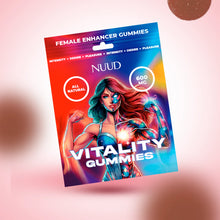
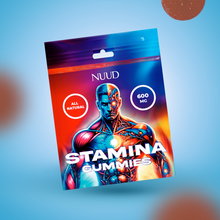
We sell a libido supplement, so we hold our own ingredients to the same standard as everyone else's. Four botanicals carry our non-hemp formula: Tribulus terrestris as the most-replicated lead, muira puama, boiled rehmannia root, and the NUUD Mushroom Complex, with black pepper added so the rest actually absorbs. Where the evidence is only traditional, we label it traditional right on the page. The herbs that failed their trials or carry safety questions, we left out on purpose. See the full line, or read the honest version in the supplements the research does not back.
Common questions
What is the difference between libido and desire?
Libido is your general, ongoing interest in sex. Desire is the wanting you feel in a specific moment. Libido is the baseline. Desire is the spike. You can have a steady libido and still need the right context for desire to show up.
Is responsive desire a problem?
No. Responsive desire, where wanting builds after arousal starts, is how most women experience it and is completely normal. If you only feel like sex once you are already into it, nothing is wrong with you. It just means foreplay and context do the work that a spontaneous spark does for others.
Do any libido supplement ingredients actually have evidence?
A few do, at modest strength. Tribulus terrestris has been tested in several independent trials in women, and Korean red ginseng has smaller supportive studies. Many famous ingredients, including ginkgo, DHEA, and yohimbine, failed their placebo-controlled tests. Evidence quality varies enormously, so the ingredient list matters less than the studies behind it.
What does in NUUD's formula mean on this page?
It flags whether an ingredient is part of our non-hemp supplements. We mark it on every botanical so you can see what we chose and, just as importantly, what we passed on and why. The honesty is the point.
This glossary is educational and not medical advice. Definitions reflect general consensus in sexual-wellness research and may simplify complex topics. For concerns about your own health, medications, or symptoms, talk to a qualified clinician. These statements have not been evaluated by the Food and Drug Administration. NUUD products are not intended to diagnose, treat, cure, or prevent any disease. Must be 21+ to purchase.
Last updated June 2026.
